
Power Generation Plants: The Indispensable Role of Industrial Rubber Joints
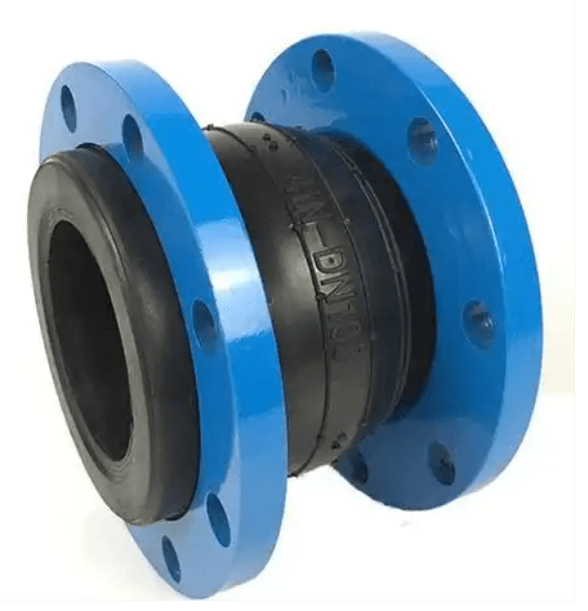
In the complex and high-stakes landscape of power generation, where every component must perform flawlessly to ensure uninterrupted energy supply, industrial rubber joints stand as critical yet often unsung heroes. These versatile components are engineered to address the unique challenges of power plants, from extreme temperature fluctuations and high-pressure fluid dynamics to constant mechanical vibrations. At [Your Company Name], we specialize in manufacturing industrial rubber joints tailored to the rigorous demands of power generation facilities, ensuring operational reliability, safety, and longevity across all types of power plants
1. Thermal Power Plants: Taming Heat and Vibration
Thermal power plants, which rely on burning fossil fuels or biomass to generate steam for turbine operation, face intense thermal and mechanical stress. Industrial rubber joints play a pivotal role in several key systems:
Boiler Feedwater Systems: The high-temperature, high-pressure water supplied to boilers experiences significant thermal expansion. Our rubber joints absorb these expansions and contractions, preventing pipe fatigue and leaks that could lead to costly shutdowns. Made from heat-resistant rubber compounds, they withstand temperatures up to 200°C (392°F) and pressures exceeding 10 bar, ensuring a secure connection between pumps, boilers, and pipelines.
Condenser and Cooling Water Systems: Condensers rely on a steady flow of cooling water to convert steam back into liquid. Rubber joints in these systems dampen vibrations from large pumps and accommodate misalignment between pipes and equipment. Their corrosion-resistant properties protect against the harsh chemicals often present in cooling water, extending the lifespan of the entire system.
Flue Gas Desulfurization (FGD) Systems: To reduce emissions, FGD systems use corrosive chemicals like limestone slurry to remove sulfur dioxide from flue gas. Our chemically resistant rubber joints are designed to withstand these aggressive substances, providing a flexible and leak-free connection that prevents costly environmental leaks and equipment damage.
2. Nuclear Power Plants: Safety and Precision in Extreme Environments
Nuclear power plants operate under the most stringent safety regulations, where component failure is not an option. Industrial rubber joints here are engineered to meet rigorous standards, including ASME and ISO certifications, ensuring they can withstand the unique challenges of nuclear facilities:
Primary and Secondary Coolant Systems: The primary coolant system carries highly radioactive water through the reactor core, while the secondary system generates steam for turbines. Our rubber joints in these systems are made from radiation-resistant materials that maintain their integrity even in high-radiation environments. They absorb vibrations from pumps and accommodate thermal expansion, preventing leaks that could compromise plant safety.
Emergency Core Cooling Systems (ECCS): In the event of a loss-of-coolant accident, ECCS must activate instantly to prevent reactor overheating. Our rubber joints in ECCS pipelines are designed for rapid response, ensuring flexibility and reliability under extreme pressure and temperature conditions. Their robust construction guarantees that critical coolant flows remain unobstructed when every second counts.
Wastewater Treatment Systems: Nuclear plants generate radioactive wastewater that requires careful handling. Rubber joints in these systems provide a secure, flexible connection that prevents leaks and contamination. Their chemical resistance ensures they can withstand the cleaning agents used to treat wastewater, maintaining system integrity over decades of operation.
3. Renewable Energy Plants: Adapting to Diverse Environments
As the world shifts toward renewable energy, industrial rubber joints are proving essential in hydroelectric, wind, and solar power facilities, each with its own set of operational challenges:
Hydroelectric Power Plants: These facilities rely on the flow of water to turn turbines, creating significant pressure and vibration in penstocks, draft tubes, and turbine systems. Our rubber joints absorb the shock of water flow and accommodate ground settlement or structural movement, preventing pipe damage and ensuring efficient energy conversion. For tidal power plants, our saltwater-resistant rubber joints withstand the corrosive effects of seawater and constant wave action.
Wind Power Plants: Wind turbines generate mechanical stress from rotor rotation and wind gusts, which can transmit vibrations to the tower and foundation. Rubber joints in the hydraulic systems of wind turbines dampen these vibrations, reducing wear on components and extending turbine lifespan. They also accommodate misalignment in the pitch and yaw systems, ensuring precise control of the turbine blades.
Concentrated Solar Power (CSP) Plants: CSP plants use mirrors to focus sunlight and heat a transfer fluid, which then generates steam. Our high-temperature rubber joints in the heat transfer systems withstand temperatures up to 300°C (572°F), accommodating thermal expansion and preventing leaks that could disrupt power generation. Their UV-resistant properties also protect against degradation from prolonged sun exposure.
4. Key Advantages of [Your Company Name] Industrial Rubber Joints for Power Generation
What sets our industrial rubber joints apart in the power generation sector?
Customized Engineering: We work closely with power plant operators to design rubber joints tailored to specific system requirements, including size, pressure rating, material compatibility, and environmental conditions. Whether for a small-scale biomass plant or a large nuclear facility, our solutions are precision-engineered for optimal performance.
High-Quality Materials: Our rubber joints are manufactured using premium compounds, including EPDM, nitrile, neoprene, and fluorocarbon, selected for their resistance to heat, chemicals, radiation, and abrasion. Each material is tested to ensure compliance with international standards, guaranteeing reliability in even the harshest environments.
Durability and Low Maintenance: With a focus on longevity, our rubber joints are built to withstand millions of cycles of expansion, contraction, and vibration, reducing the need for frequent replacements. This not only lowers maintenance costs but also minimizes downtime, a critical factor in power generation where every hour of operation translates to significant revenue.
Safety Compliance: All our products undergo rigorous testing to meet industry safety standards, including ASME, API, and ISO certifications. For nuclear applications, we adhere to strict regulatory requirements, ensuring our rubber joints contribute to the highest levels of plant safety.
Conclusion: Powering the World with Reliable Connections
In power generation, where reliability, safety, and efficiency are non-negotiable, industrial rubber joints are far more than just pipe connectors—they are essential components that keep the world running. At [Your Company Name], we understand the unique challenges of each power generation sector, and our commitment to innovation and quality ensures that our rubber joints deliver unmatched performance, day in and day out. Whether you operate a thermal, nuclear, or renewable energy plant, trust our industrial rubber joints to provide the flexibility, durability, and safety your facility needs to thrive in the dynamic energy landscape.
Contact us today to learn how our customized industrial rubber joint solutions can enhance the performance and longevity of your power generation systems.
JOINTIB has been providing cost-effective and durable rubber expansion joints and duckbill check valves . Our products are very resistant to corrosion and breakage under harsh conditions. For more information about our products, and to inquire about pricing and availability, please contact us today. You can contact us by filling out a form on our website or writing email to sales@jointib.com
Send Your Question
Recent Post
-
Power Generation Plants: The Indispensable Role of Industrial Rubber Joints
-
The Rubber Expansion Joint Market in 2026: Trends, Challenges, and Opportunities
-
Rubber Joint Applications in the Water Treatment Industry
-
Has the price of rubber expansion joints in China increased?
-
Rubber Expansion Joint Manufacturing Process in China

PEW
Hi, I’m the author of this post, and I have been in this field for more than 10 years. If you want to get more info about industrial pipe rubber expansion joints, feel free to ask me any questions.