
Navigating the Booming Rubber Joints Market: Hot Products and Industry Insights
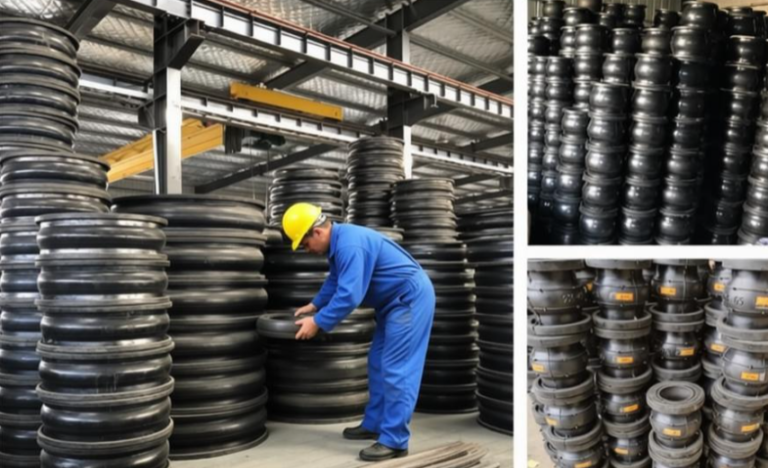
In the intricate web of industrial infrastructure, rubber joints stand as unsung heroes, ensuring seamless fluid transfer, absorbing vibrations, and extending the lifespan of piping systems. As global industrialization accelerates and infrastructure projects multiply, the rubber joints market is experiencing a remarkable surge. For foreign trade enterprises specializing in these critical components, staying abreast of the latest product trends and industry dynamics is not just a competitive advantage but a necessity.
The Current Landscape of the Rubber Joints Market
The global rubber joints market is on a steady growth trajectory, driven by robust demand from sectors such as construction, automotive, oil and gas, and water treatment. According to industry analysts, the market is projected to reach a value of over $4.8 billion by 2030, with a compound annual growth rate (CAGR) of 5.2% from 2026 to 2030. This growth is fueled by several key factors:
Infrastructure Development: Ambitious infrastructure projects, from high-speed railways to smart cities, are creating a soaring demand for reliable piping systems. Rubber joints, with their ability to compensate for thermal expansion and reduce noise, are indispensable in these large-scale projects.
Industrial Automation: The rise of industrial automation has led to more complex machinery and piping networks. Rubber joints play a crucial role in protecting these systems from mechanical stress and ensuring uninterrupted operation.
Environmental Regulations: Stringent environmental regulations are pushing industries to adopt more sustainable and efficient solutions. Rubber joints, made from eco-friendly materials and designed for long-term durability, align perfectly with these regulatory requirements.
Hot Products Dominating the Market
1. High-Pressure Rubber Joints
In industries such as oil and gas, chemical processing, and power generation, high-pressure environments are the norm. High-pressure rubber joints, engineered to withstand extreme pressure levels, are in high demand. These joints are typically made from reinforced rubber materials, such as nitrile rubber (NBR) or ethylene propylene diene monomer (EPDM), and are equipped with robust flanges or threaded connections to ensure a secure seal.
One of the key trends in this segment is the integration of advanced technologies, such as pressure sensors and leak detection systems, into high-pressure rubber joints. These smart features allow for real-time monitoring of joint performance, enabling proactive maintenance and minimizing the risk of costly downtime.
2. Corrosion-Resistant Rubber Joints
In corrosive environments, such as marine applications, wastewater treatment plants, and chemical factories, standard rubber joints quickly deteriorate, leading to leaks and system failures. Corrosion-resistant rubber joints, made from materials like fluororubber (FKM) or chlorosulfonated polyethylene (CSM), are specifically designed to withstand harsh chemicals, saltwater, and other corrosive substances.
Manufacturers are also focusing on improving the durability of these joints by incorporating innovative coating technologies. For example, some corrosion-resistant rubber joints are coated with a layer of polyurethane or epoxy, providing an extra barrier against corrosion and extending the joint’s lifespan.
3. Noise-Reducing Rubber Joints
Noise pollution is a growing concern in industrial and urban settings. Piping systems, especially those transporting high-velocity fluids, can generate significant noise, which not only affects worker productivity but also violates environmental noise standards. Noise-reducing rubber joints, equipped with sound-dampening materials and innovative designs, are becoming increasingly popular.
These joints work by absorbing the vibrations generated by fluid flow, converting them into heat energy, and reducing the transmission of noise through the piping system. Some advanced models even feature multi-layered structures, with each layer designed to target specific frequency ranges, resulting in exceptional noise reduction performance.
4. Customized Rubber Joints
As industrial processes become more specialized, the demand for customized rubber joints is on the rise. Customers are seeking solutions that are tailored to their unique applications, whether it’s a specific size, material, or performance requirement. Foreign trade companies that can offer flexible customization services are well-positioned to capture this growing market segment.
Customized rubber joints can be designed to meet a wide range of specifications, including non-standard dimensions, special connection types, and unique material combinations. For example, a customer in the food and beverage industry may require a rubber joint made from food-grade silicone, while a customer in the aerospace sector may need a lightweight, high-strength joint made from advanced composite materials.
Key Industry Trends Shaping the Future
1. Sustainability and Eco-Friendly Materials
Sustainability is no longer a buzzword but a core business imperative. In the rubber joints industry, manufacturers are increasingly turning to eco-friendly materials, such as natural rubber, recycled rubber, and bio-based polymers. These materials not only reduce the environmental impact of production but also offer excellent performance characteristics.
For instance, natural rubber, derived from the latex of rubber trees, is a renewable resource that offers superior elasticity and resistance to wear. Recycled rubber, made from post-consumer rubber products, is a cost-effective and sustainable alternative to virgin rubber. Bio-based polymers, produced from renewable sources like corn starch or sugarcane, are gaining traction due to their low carbon footprint and biodegradability.
2. Digitalization and Smart Manufacturing
The digital transformation of the manufacturing industry is revolutionizing the way rubber joints are produced. Smart manufacturing technologies, such as computer-aided design (CAD), computer-aided manufacturing (CAM), and industrial Internet of Things (IIoT), are enabling manufacturers to optimize production processes, improve product quality, and reduce lead times.
For example, CAD software allows engineers to design rubber joints with precision, simulating their performance under various conditions before production begins. CAM systems automate the manufacturing process, ensuring consistent quality and reducing human error. IIoT sensors installed on production lines collect real-time data, enabling manufacturers to monitor equipment performance, predict maintenance needs, and minimize downtime.
3. Global Supply Chain Resilience
The disruptions caused by the COVID-19 pandemic have highlighted the importance of a resilient global supply chain. In the rubber joints industry, companies are re-evaluating their supply chain strategies, shifting from a single-source model to a multi-source approach. This involves diversifying suppliers, investing in local production facilities, and building strategic partnerships with key suppliers.
Foreign trade enterprises are also focusing on enhancing their logistics capabilities, ensuring timely delivery of products to customers around the world. This includes optimizing inventory management, leveraging advanced transportation technologies, and establishing regional distribution centers to reduce lead times.
Opportunities for Foreign Trade Enterprises
For foreign trade companies operating in the rubber joints market, the current landscape presents a wealth of opportunities. By focusing on the following strategies, these enterprises can capitalize on the growing demand and gain a competitive edge:
Product Innovation: Invest in research and development to create innovative rubber joint products that meet the evolving needs of customers. This could involve developing new materials, integrating smart technologies, or improving product performance.
Customization Services: Offer flexible customization services to cater to the unique requirements of different industries and applications. This will not only attract more customers but also increase customer loyalty.
Sustainability Initiatives: Embrace sustainability by adopting eco-friendly materials and production processes. Highlight the environmental benefits of your products to appeal to environmentally conscious customers.
Digital Marketing: Leverage digital marketing channels, such as social media, search engine optimization (SEO), and content marketing, to reach a wider audience and promote your products. Create informative content that educates customers about the benefits of rubber joints and positions your company as an industry expert.
Global Partnerships: Build strategic partnerships with local distributors, manufacturers, and industry associations in key markets. This will help you expand your reach, gain access to local expertise, and navigate the complexities of international trade.
Conclusion
The rubber joints market is poised for significant growth in the coming years, driven by infrastructure development, industrial automation, and environmental regulations. Foreign trade enterprises that can adapt to the changing market dynamics, embrace innovation, and focus on customer needs will be well-positioned to succeed in this thriving industry.
By staying informed about the latest product trends and industry insights, and by implementing strategic initiatives to enhance their competitiveness, foreign trade companies can capitalize on the opportunities presented by the booming rubber joints market and achieve long-term success.
JOINTIB has been providing cost-effective and durable rubber expansion joints and duckbill check valves . Our products are very resistant to corrosion and breakage under harsh conditions. For more information about our products, and to inquire about pricing and availability, please contact us today. You can contact us by filling out a form on our website or writing email to sales@jointib.com
Send Your Question
Recent Post
-
Rubber Expansion Joints for Global Industrial Projects: 2026 Compliance, Cost Control & Supply Chain Solutions
-
Navigating the Booming Rubber Joints Market: Hot Products and Industry Insights
-
Power Generation Plants: The Indispensable Role of Industrial Rubber Joints
-
The Rubber Expansion Joint Market in 2026: Trends, Challenges, and Opportunities
-
Rubber Joint Applications in the Water Treatment Industry

PEW
Hi, I’m the author of this post, and I have been in this field for more than 10 years. If you want to get more info about industrial pipe rubber expansion joints, feel free to ask me any questions.